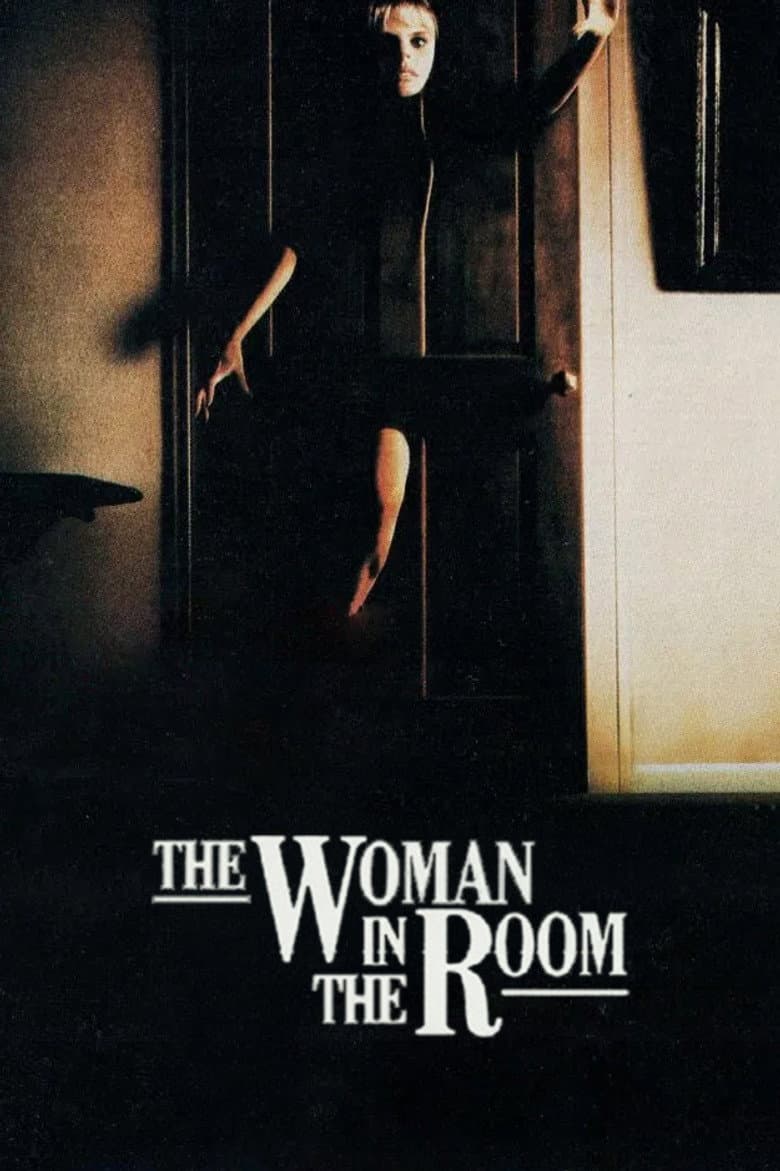
The Woman in the Room(1983)
Director
Frank DarabontCast
Michael Cornelison as John, Dee Croxton as Mother, Brian Libby as Prisoner, Bob Brunson as Guard #1, George Russell as Guard #2
📝 剧情简介📝 Overview
《The Woman in the Room》是一部1983年上映的短片,改编自斯蒂芬·金的同名短篇小说。故事聚焦于一位名叫约翰尼的律师,他日夜陪伴在罹患绝症的母亲身边。母亲因癌症饱受痛苦,生命仅剩最后几个月,而约翰尼则陷入深深的绝望与挣扎中。他爱母亲,却无法忍受看着她日渐消瘦、呻吟不止。母亲自己也渴望解脱,但医院和道德束缚着一切。约翰尼内心逐渐浮现一个念头——死亡是母亲唯一的出路,而他是唯一能帮助她的人。影片以细腻的笔触描绘了亲情、痛苦与伦理的冲突,约翰尼在爱与责任之间摇摆,最终走向一个令人不安的决定。导演弗兰克·达拉邦特通过压抑的氛围和角色内心的独白,将金的文字转化为视觉叙事,探索了人类在极端处境下的道德边界。The main character, an attorney by profession, spends endless hours with his terminally ill mother. Death is her only way out and he's the only one that can help.
📝 评价分析📝 Review & Analysis
As an early work by Frank Darabont (who later directed *The Shawshank Redemption*), *The Woman in the Room* showcases his keen grasp of human depth. The directorial approach is predominantly minimalist, utilizing confined settings and close-up shots to amplify the protagonist's anxiety and helplessness. The score is low-key and restrained, creating a sense of oppressive horror rather than the jump scares typical of conventional thrillers. In terms of performance, the lead actor conveys inner turmoil through subtle body language and eye expressions, while the mother character, frail and ill, delivers a silent sorrow. Compared to Stephen King's original story, the film faithfully captures the core themes—an exploration of death and morality—but with a tighter pace and more direct emotional impact. Within the horror genre, it blends psychological terror with family drama. Though its short-film format limits its widespread recognition, its sincere adaptation of King's early work has earned it high regard among fans, and it is seen as the starting point of Darabont's directorial career.
🎭 Full Cast
📖 与原著的主要差异📖 How It Differs From the Book
In the original novel, Johnny ultimately smothers his mother with a pillow and falls into a deeper psychological breakdown, suggesting he cannot escape his guilt. The film, however, simplifies the ending with a calm farewell between mother and son, reducing the in-depth exploration of moral consequences.
In the original novel, Johnny's inner monologue is more frequent, revealing his repeated struggles with his mother's pain and his own motives; in the film, this is expressed through external actions and dialogue, which downplays the complexity of the character's inner world.
The original text provides a detailed depiction of Johnny's daily interactions with his mother, including the specifics of her pain episodes and the side effects of her medication. The film, however, omits some of the medical scenes, focusing instead on the emotional climax.
The original work has a darker, more fatalistic tone, carrying King's signature sense of despair; the film, however, adds a touch of warmth—such as the mother's smile before her death—attempting to balance darkness with humanity.
In the original novel, there is a passage where Johnny recalls happy childhood moments with his mother, serving as a contrast to heighten the tragedy. The film completely omits this flashback, making the narrative more linear.