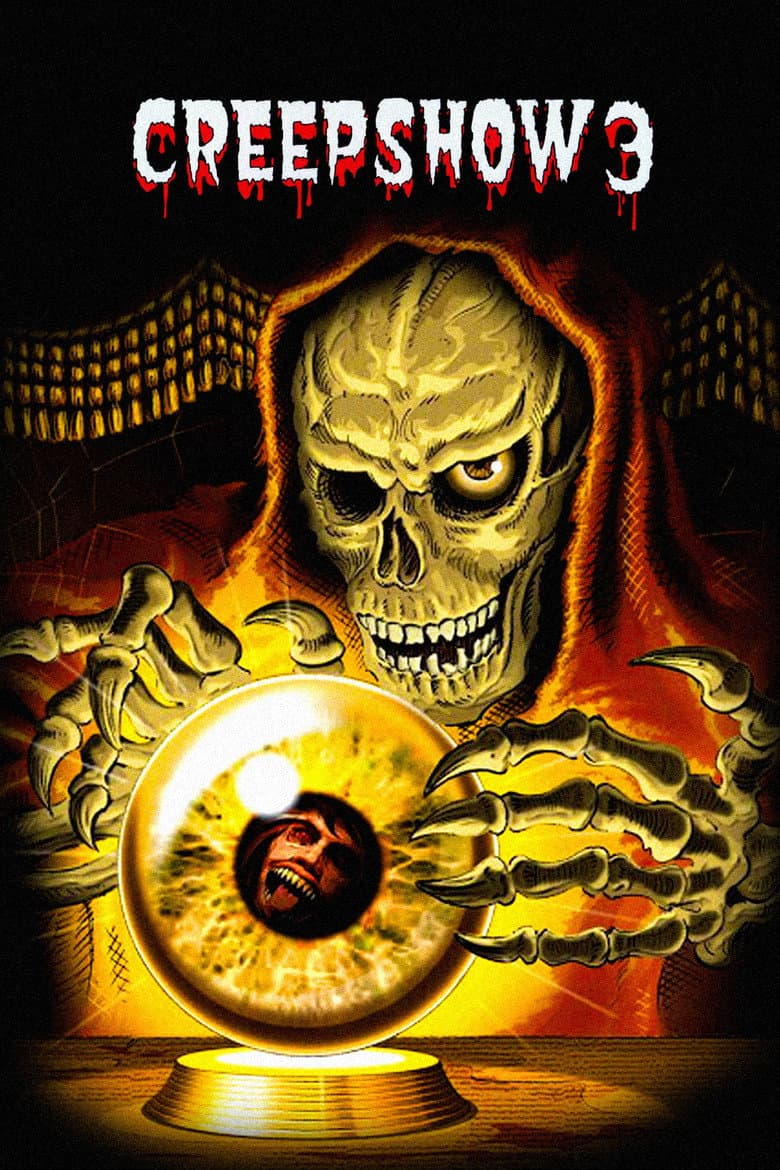
Creepshow 3(2006)
Director
Ana ClavellCast
Stephanie Pettee as Alice, Justin Smith as Ronald, Roy Abramsohn as Father / Detective Jacobs, Susan Schramm as Mother, Matt Fromm as Jesse
📝 剧情简介📝 Overview
《鬼作秀3》延续了乔治·A·罗梅罗与斯蒂芬·金开创的恐怖选集系列,包含五个独立故事和一个串联情节。影片以一部神秘遥控器为核心,串联起不同的恐怖篇章:“爱丽丝”讲述一名女子在平行现实中陷入混乱;“收音机”中,一台诡异设备操控着持有者的命运;“应召女郎”聚焦吸血鬼与连环杀手之间的扭曲欲望;“教授的妻子”描绘了一位疯狂发明家的家庭噩梦;“闹鬼的狗”则揭示来自坟墓的复仇幽灵。每个故事都围绕日常物品或场景展开,逐步揭示超自然或心理恐怖元素,最终在串联情节中汇聚成一场关于贪婪、欲望与因果报应的黑暗寓言。This follow-up to the George Romero/Stephen King-launched anthology series features five new tales of horror and a wraparound. The main stories deal with alternative realities ("Alice"), possessed communication devices ("The Radio"), vampires and serial killers in lust ("Call Girl"), mad inventors ("The Professor's Wife"), and hauntings from beyond the grave ("Haunted Dog").
📝 评价分析📝 Review & Analysis
As the third installment in the *Creepshow* series, this film has little connection to Stephen King's original work—King was only involved in the first two films, while the screenplay for this one was independently written by multiple writers. In terms of direction, the film attempts to mimic the B-movie style of its predecessors but lacks Romero's visual intensity and King's narrative depth. The performances are uneven, and some segments feel cheap due to budget constraints. Within the horror genre, *Creepshow 3* occupies an awkward position: it fails to sustain the comic-book-inspired horror aesthetic that the earlier films pioneered in the 1980s, nor does it introduce any fresh elements. In contrast, other King adaptations (such as *The Shining* and *Misery*) place greater emphasis on psychological buildup, whereas this film merely scratches the surface of horror, with thin character development and a reliance on superficial scares.
🎭 Full Cast
Alice
Ronald
Father / Detective Jacobs
Mother
Jesse
Grandmother / Dean Thompson
Jerry
Second Father
Second Mother
📖 与原著的主要差异📖 How It Differs From the Book
The first two *Creepshow* films both concluded with satire or moral retribution, whereas the endings of some stories in this film (such as "The Call Girl") lean more toward gratuitous violence, lacking King's allegorical logic.
Gold's original characters usually possess complex psychological motivations, but the characters in this film (such as the inventor in "The Professor's Wife") are reduced to functional horror symbols, lacking depth of humanity.
King's original works often incorporate social metaphors (such as consumerism and domestic violence), whereas the plot of this film relies more on direct scares. For instance, the "haunted dog" sequence depends solely on jump scares rather than gradual, creeping dread.
The predecessor blended humor and horror, but this film relies too heavily on gore and cheap special effects, losing the signature dark humor found in King's works.
This film does not adapt any of King's independent short stories but is an original tale, which goes against the tradition of the series directly drawing from King's novels.