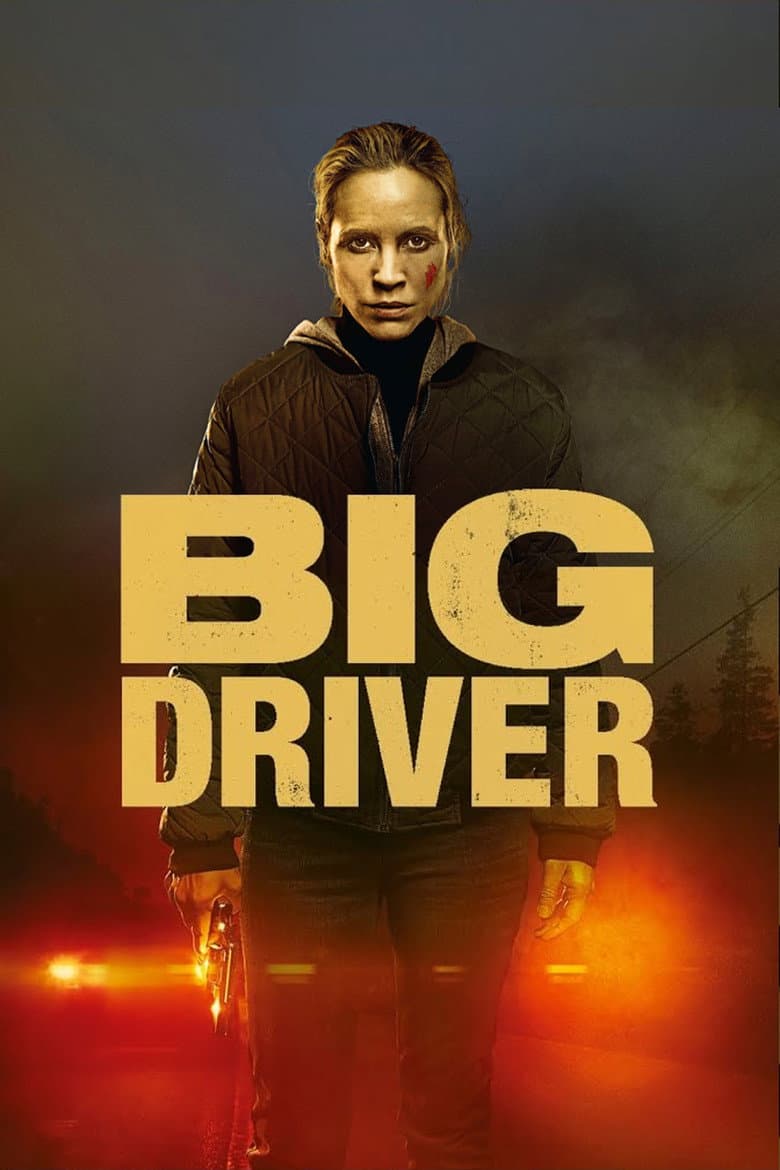
Big Driver(2014)
Cast
Maria Bello as Tess Thorne, Ann Dowd as Ramona, Will Harris as Lester, Joan Jett as Betsy Neal, Olympia Dukakis as Doreen
📝 剧情简介📝 Overview
著名作家苔丝·索恩在参加完一场文学活动后,驾车行驶在新英格兰一条偏僻的道路上。途中,她的车胎爆裂,一位自称“大司机”的拖车司机出现并“帮助”了她。然而,这名司机实际上是一名残忍的连环强奸犯,他在荒无人烟的路边对苔丝实施了暴力和强奸,并将她丢弃在荒野中。苔丝侥幸逃生,但身心遭受重创。面对警方冷漠的态度和内心的创伤,她决定放弃常规法律途径,转而依靠自己的智慧和意志,独自踏上复仇之路。她追踪凶手的身份,并一步步策划报复行动,过程中不断与自己的恐惧和愤怒斗争。Tess Thorne, a famous writer, is determined to seek revenge on the man who brutally assaulted and raped her on a desolate New England road.
📝 评价分析📝 Review & Analysis
Director Mick Garris presents this violent event with a stark, realistic style, avoiding excessive glorification or sensationalism, instead focusing on the victims' psychological struggles. Actress Maria Bello delivers a highly compelling performance, precisely capturing Tess's psychological transformation from breakdown to anger to determination, particularly in the latter half's revenge sequences where she convincingly portrays a ruthless resolve. Compared to Stephen King's original short story, the film retains the core revenge theme but simplifies some inner monologues and details. Within the thriller genre, this film leans more toward psychological suspense and crime revenge rather than supernatural horror. Its realistic depiction of violence and female revenge theme make it a controversial yet powerful work.
🎭 Full Cast
Tess Thorne
Ramona
Lester
Betsy Neal
Doreen
Patsy
Lester's Brother
Molly
Janine
Leslie
📖 与原著的主要差异📖 How It Differs From the Book
In the original novel, Tess falls into deeper psychological trauma after her revenge, with the ending being more ambiguous and darker. In contrast, the film provides a relatively clear conclusion, where Tess ultimately cooperates with the police and achieves a certain degree of relief.
In the original novel, Tess has an important feline character named "Brutus," who appears to comfort her when she is attacked. The film removed this character, weakening the supernatural metaphors present in the original work.
The film adds interactions between Tess and a female police officer, whereas in the original novel, Tess acts almost entirely alone. This makes the police role in the film more participatory.
The original novel creates a strong sense of claustrophobia and despair through extensive inner monologues, while the film focuses more on external action and the process of revenge, with a relatively more "action-oriented" tone.
In the original novel, Tess briefly fantasizes about a twisted empathy with her murderer after taking revenge. This complex psychological portrayal is completely omitted in the film, making the character's motivation more straightforward.